What d-you means for ID verification
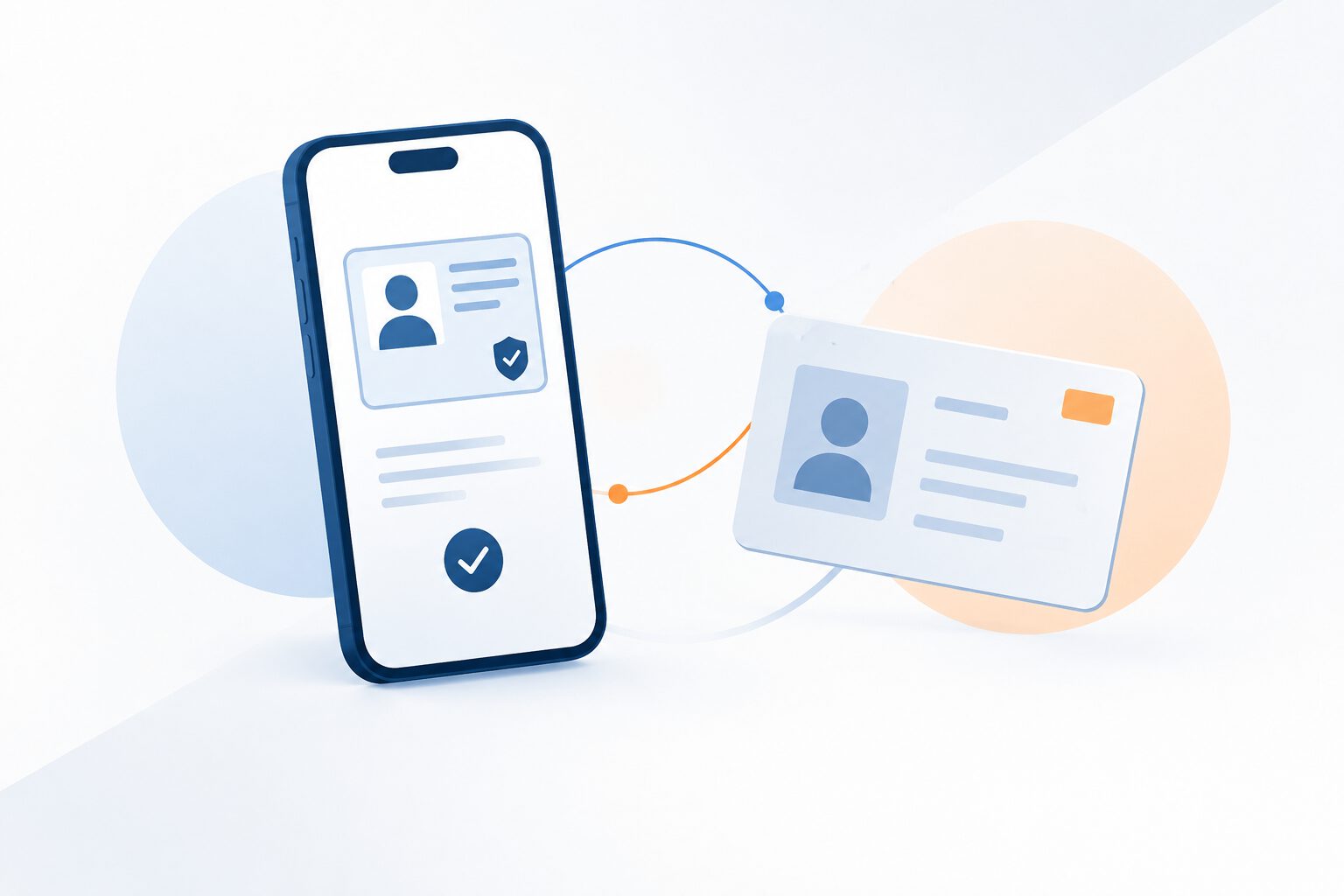
Digital identity credentials open up new possibilities – but businesses will still need to verify physical identity documents in the future. The key is to have flexible processes that accommodate both.
The European Digital Identity Wallet (EUDI Wallet) will make it easier to present identity data and other credentials digitally. In Germany, the government-issued d-you wallet is scheduled to become available free of charge and on a voluntary basis from early 2027. Its functionality and the range of available credentials will be expanded gradually.
From identity documents to proof of age
The digital wallet is designed to support a range of use cases, including:
• Proof of identity: digitally confirming personal details, for example using data from a national ID card.
• Digital driving licence: providing digital proof of driving entitlements.
• Proof of age: confirming that a person meets a specific age requirement without necessarily disclosing their full date of birth or other personal information.
• Additional credentials: potentially including educational qualifications or digital administrative decisions in the future.
Which credentials will actually be available depends on the stage of development and the specific use case. According to the Federal Ministry for Digital Transformation and Government Modernisation (BMDS), the digital wallet will be expanded gradually.
Why physical documents will remain relevant
Digital credentials expand the options available for identity verification. However, this does not mean that physical documents will become obsolete. Use of the wallet remains voluntary, and digital services will not be introduced everywhere at the same time. Requirements also vary by industry and situation.
For example, an electronic credential may be sufficient when registering for a service online. However, when renting a vehicle, undergoing an in-person identity check or verifying an original document presented in person, a physical document may still be required.
For businesses and institutions, this means they need to accommodate different forms of identification while ensuring that identity data is verified reliably.
Security Throughout the Verification Process
Security throughout the verification process
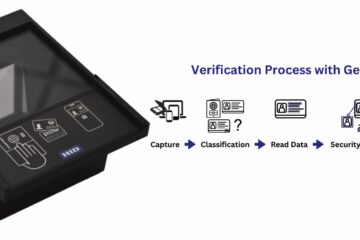
Where physical identity documents continue to be used, reliable verification is essential. Forged or tampered documents can pose a risk to businesses and their customers. Manual checks are also often time-consuming and can be difficult to integrate into digital workflows.
Genuine-ID from jenID enables the automated verification of identity documents. Within seconds, the software analyses relevant document features and achieves an optical character recognition (OCR) accuracy rate of 97%. This can help make verification processes more efficient and secure.
Flexible verification processes for a digital future
The development of digital identities is not a choice between a smartphone and a plastic card. Instead, new options are emerging that will coexist with established methods, depending on the application.
Businesses should therefore design their ID verification processes to accommodate different forms of identification and adapt to future developments. Automated verification of physical documents will remain an important part of this approach.
Digital identity is coming. But reliable identity verification requires more than a single approach. jenID supports businesses and institutions with Genuine-ID, enabling the automated verification of physical identity documents as part of digital identity verification processes.